
Ancient Oasis™ History

How the World Was Built

Ancient Oasis™ has had more than one life. This is the honest account of where it started, why it went quiet, and why it came back as something you can play.

“Ancient Oasis began as an experiment in digital ownership and world building. Over time we realized the characters, stories, and world had become more important than the technology. We chose to keep building the world while leaving the tokens behind.”

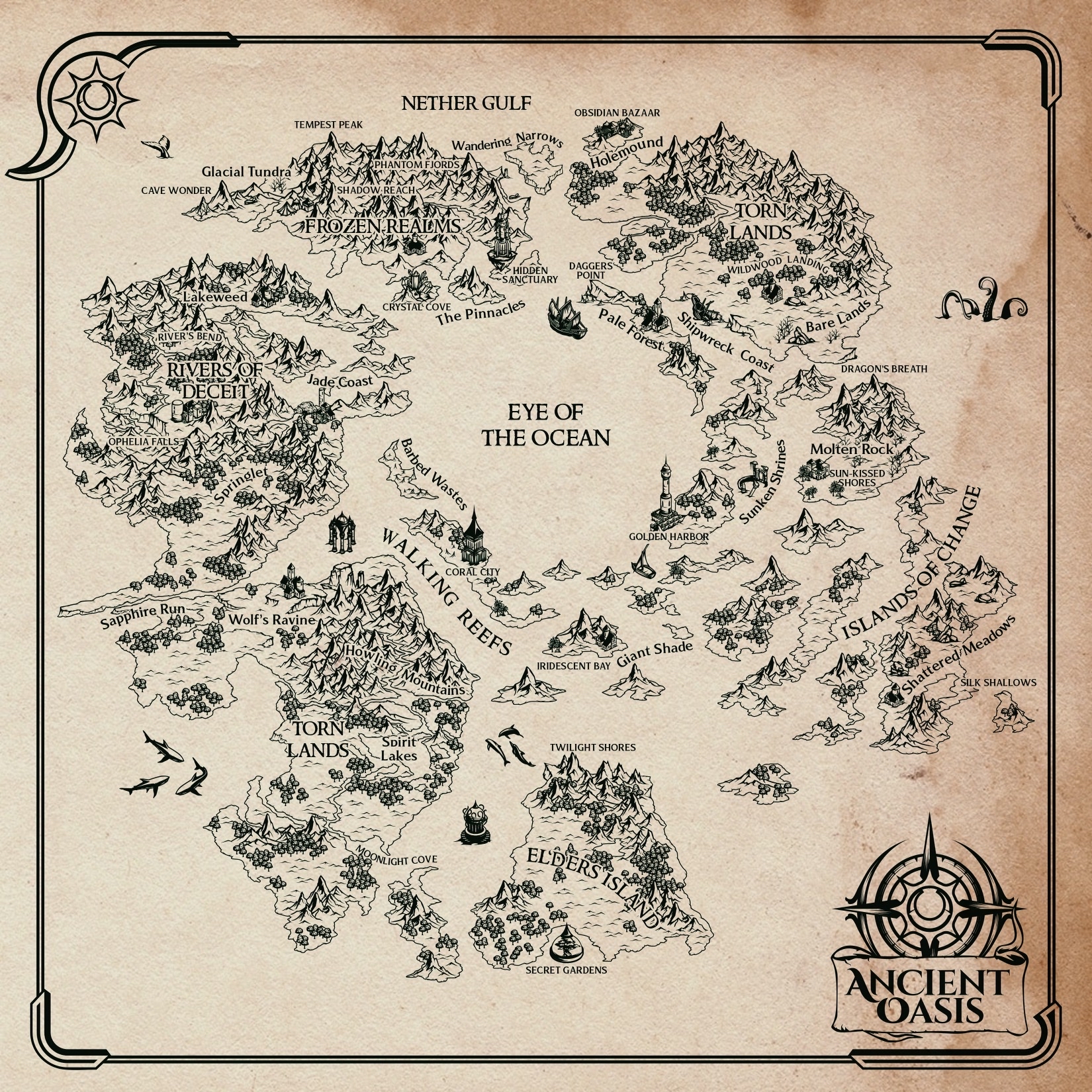
Ancient Oasis started as an experiment in digital ownership and world building. The first work was not a game. It was a place: a drowned world with a broken sky, two tribes at the edge of a dying balance, and a cast of leaders who each ruled a piece of it. That world found an audience before it ever found a controller.

For a few years the world grew the way early digital worlds did. Art was made and collected. A community gathered. The lore deepened, the characters took on weight, and the map filled in. Somewhere in that stretch the thing that mattered quietly changed. The characters, the stories, and the world had become more important than the technology that first carried them.

So we made a choice. We kept building the world and left the tokens behind. The collecting era is part of our history, and we are not going to pretend it did not happen. But it is not what Ancient Oasis is now, and it is not what it asks of you today.

There was a quiet stretch while that decision took shape. The public feed slowed. Behind it, the world was being rebuilt as something you could actually enter: a game, with a journey to walk, a crew to assemble, and an ancestor spirit named Aria to walk it beside you. That is the version of Ancient Oasis you have found here.

Where the world stands today

No tokens. No wallets. No blockchain. Your save lives on your device.

The Continuity

  1. 2021

    The brand begins

    Ancient Oasis takes its first public breath. The account that would carry the world for the next several years goes live in December, and the name is claimed.

  2. 2022

    The world is revealed

    The lore, the characters, and the two factions are published. A website, an audience, and a community gather around a single fictional world for the first time.

  3. 2023

    The artwork expands

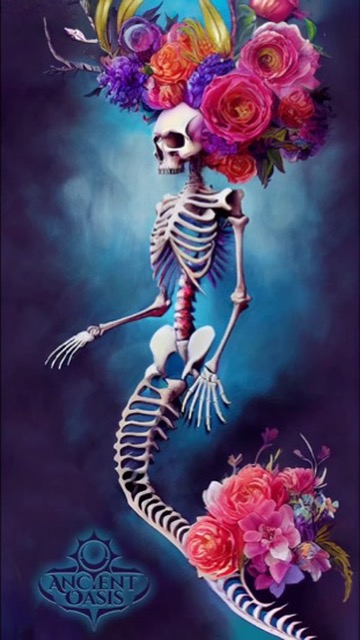
    A new chapter of art arrives and the world's imagery is preserved and grows. The Skull and Blooms motif takes hold: life in death, light in shadow. The community continues to gather.

  4. 2024

    The vision evolves

    The collection remains public and the community endures, but the question underneath the project grows louder. The characters, the stories, and the world have started to matter more than the technology that first carried them.

  5. 2025

    A quiet stretch

    A deliberately honest year. Public activity slows and the last recorded sales close early in the year. The world does not go anywhere. The building moves behind the scenes while a different way to visit it takes shape.

  6. 2026

    Ancient Oasis becomes an interactive world

    The world returns as a game. Development moves into full production and the first playable chapter, The Tears of the Elders, takes form. The universe stays. The way you enter it changes.

The original site

The lore, region, and leader pages from the first website are kept as they were written in 2022 and 2023. Read where the world started.

Open the Archive
The Skull and Blooms motif

The visual language

Skull and Blooms

The current art season speaks in a single image: a skull cradled in nature's bloom, ephemeral flames balanced against enduring coins. Life in death. Light in shadow.

The motif underlies everything the world makes. When in doubt about how a thing should look, the world returns to one idea: it remembers, and it grows things on the bones it remembers with.

The art has been preserved and expanded since 2022. That continuity is part of the world's history, and part of why the world could keep going after the technology that first carried it fell quiet.